Concept store — payments are simulated and nothing ships. This is a preview, not a real store.
Hōjō Whisk Co.
Cart Account Help
The whisk makes the bowl

Japan

The whisk makes the bowl

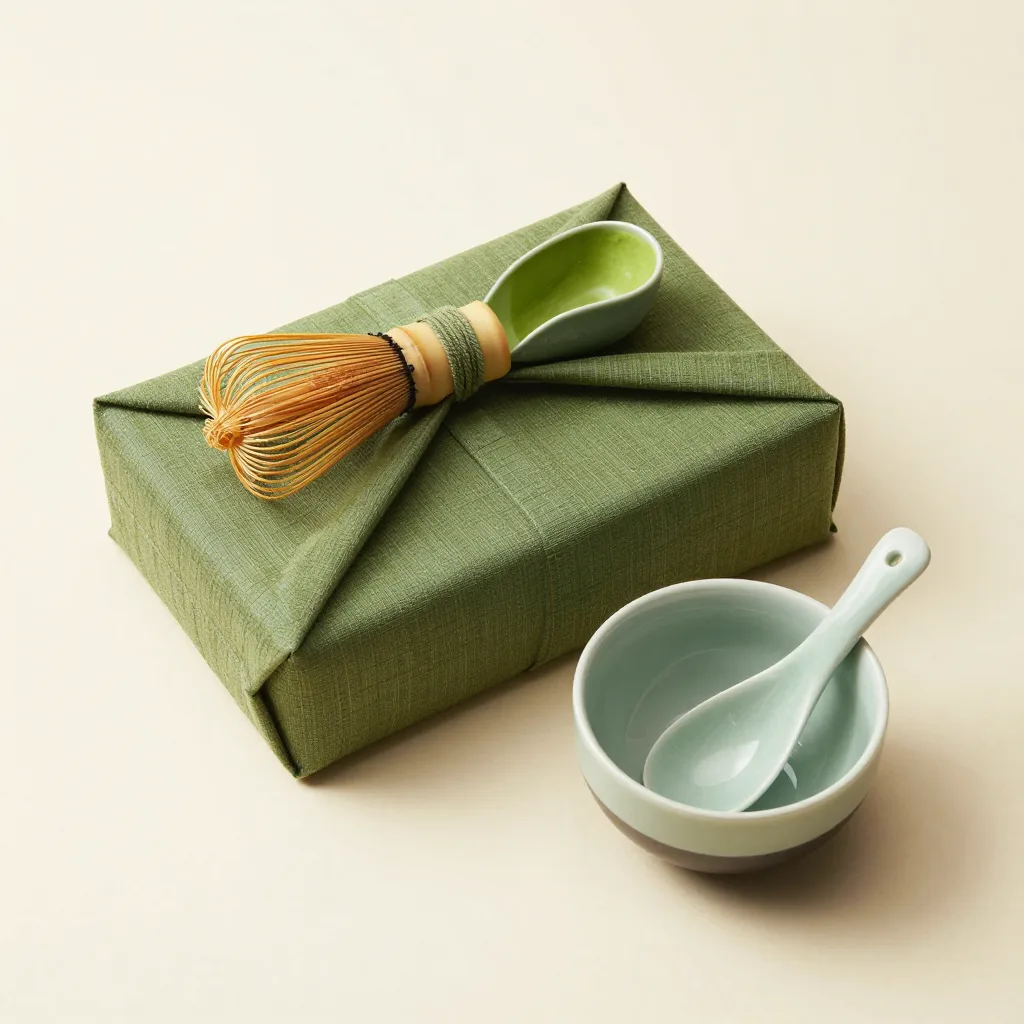
Split-bamboo chasen and matcha sets, carved by hand in Japan's tea country.

Shop the collection Our story

The collection

See everything →

Our story

From the tea country of Uji

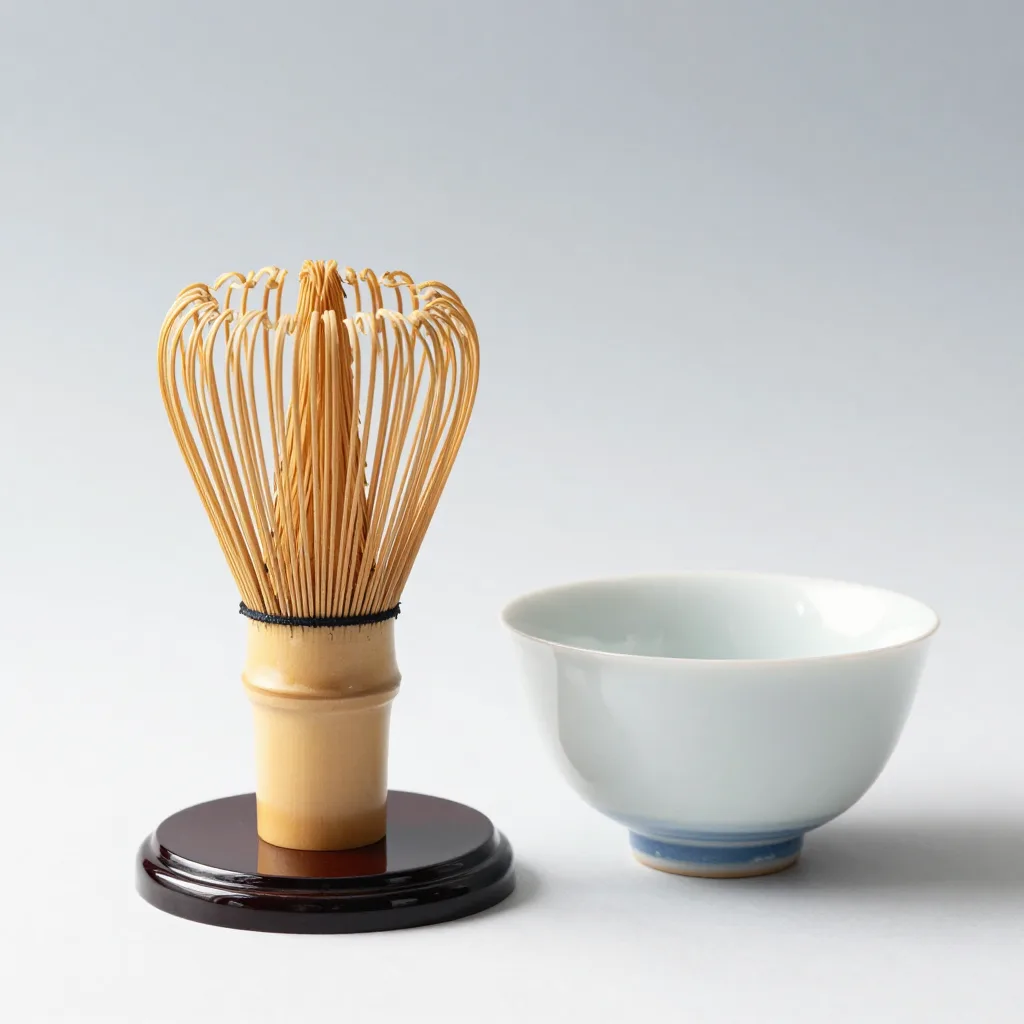
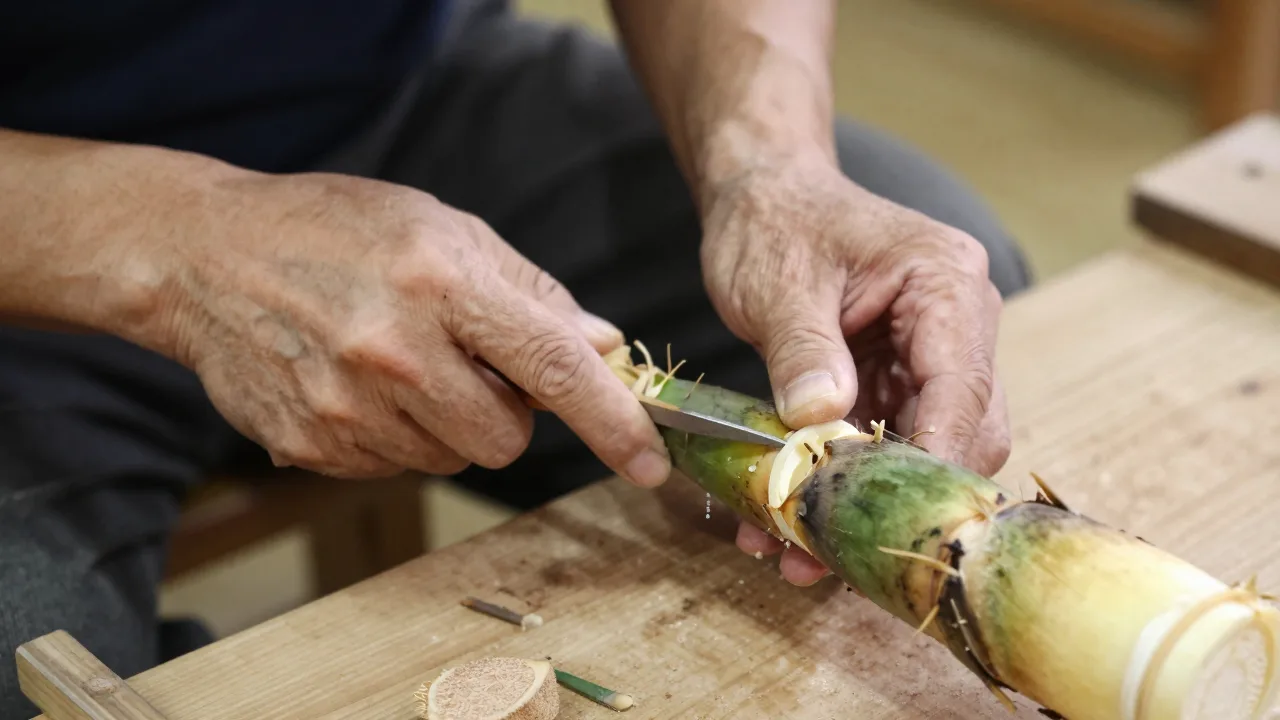
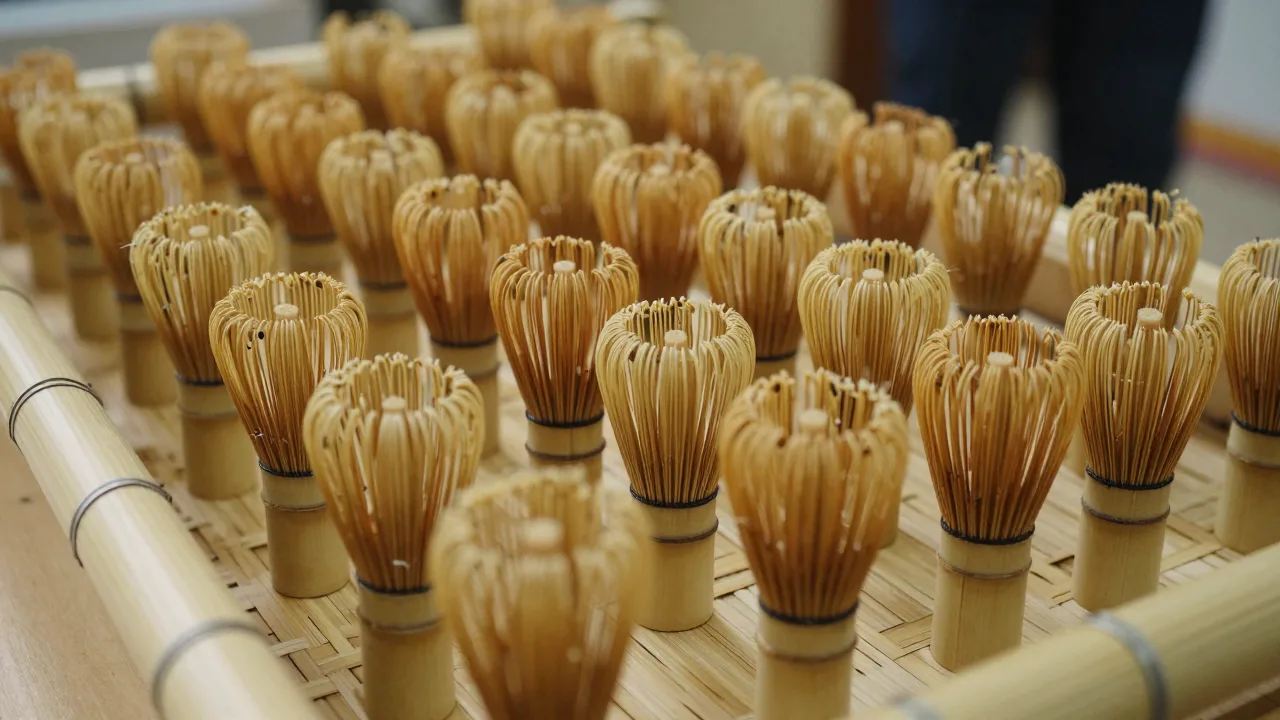
A chasen is cut from a single length of green bamboo — one piece, opened into 80 to 120 fine tines. Our carvers have split bamboo for four generations; every whisk takes days to shape and is dried slowly over charcoal so it keeps its spring.

Where it comes from

Japan

Split from a single piece of bamboo into 80–120 tines, the whisk that turns matcha into a silky foam.

What
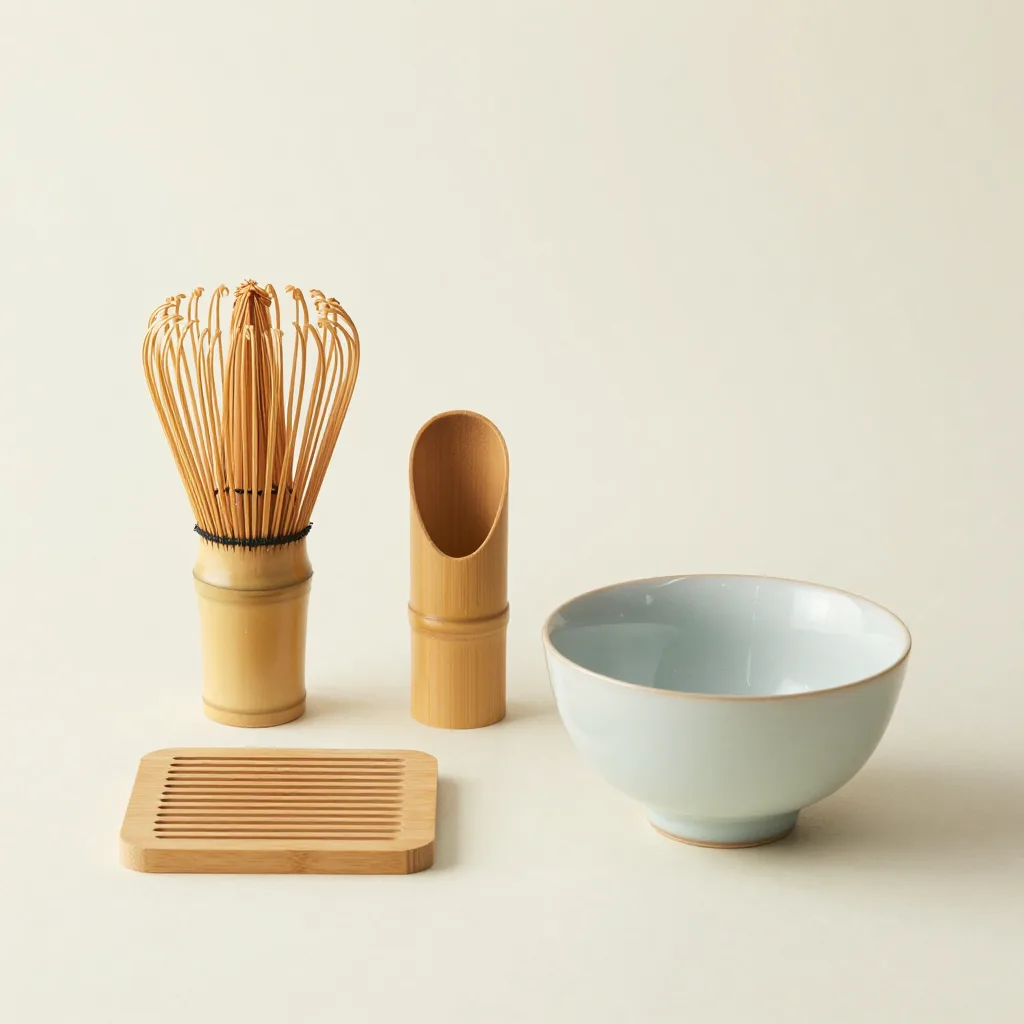
Matcha whisk sets (chasen)
Made for
Tea ritual and mindful living
Region
Asia

Good to know

Where is it made?

In the tea-growing region around Uji, Japan, by a family that has split bamboo for four generations. Every whisk is one piece of bamboo.

Is the matcha included?

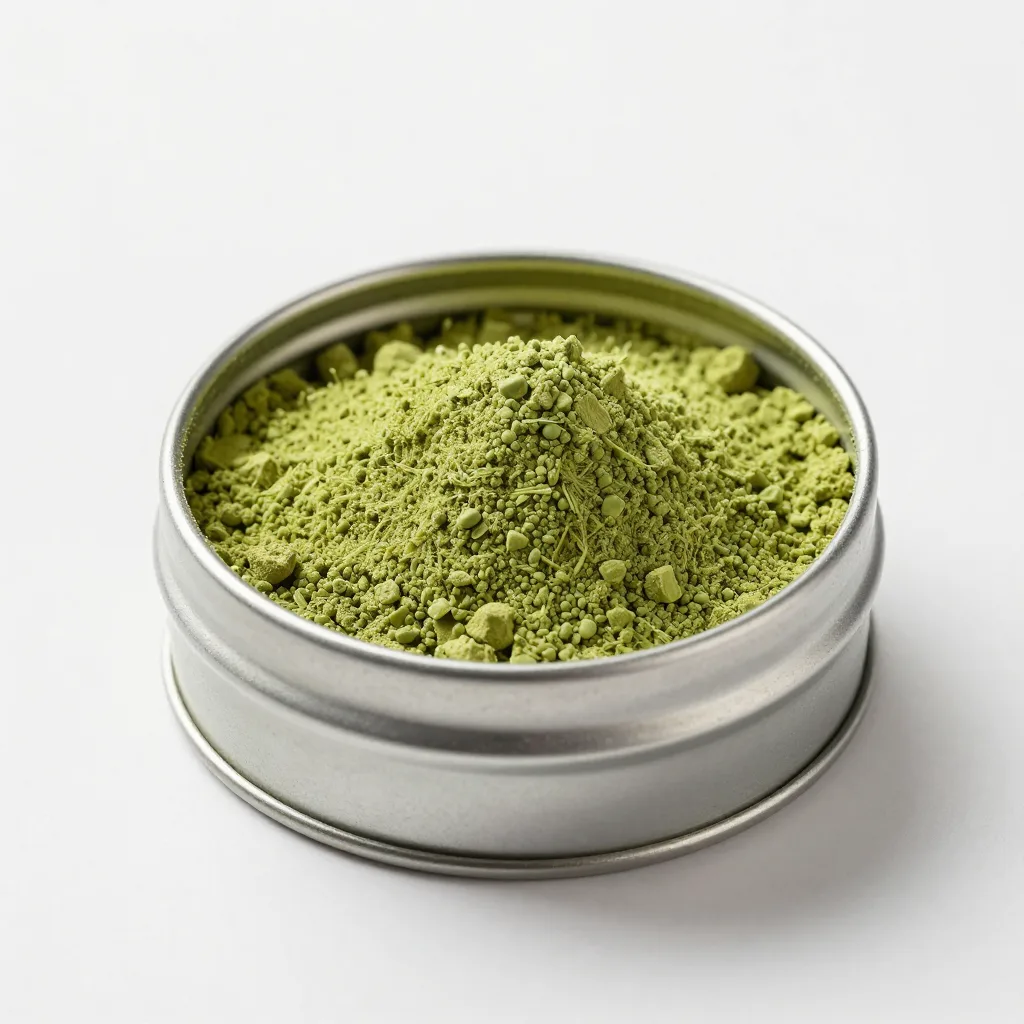
Only in the matcha tin and the gift set. The whisk sets are for the tools — we sell the tea separately so you can choose your own ceremonial-grade powder.

Does a whisk ever wear out?

Yes, gently. After a year or two of daily use a whisk may spread or soften. We are happy to replace it, and the old one can be composted.

Which whisk should I start with?

An 80-tine whisk is the forgiving everyday choice for usucha. Step up to 120 tines if you like a thicker, foamier koicha or a denser head.

Why are some whisk tips white?

The pale tips are the soft inner core of the bamboo, left exposed when the tines are cut. They are normal and part of how a whisk holds its spring.

How do I keep my chasen from cracking?

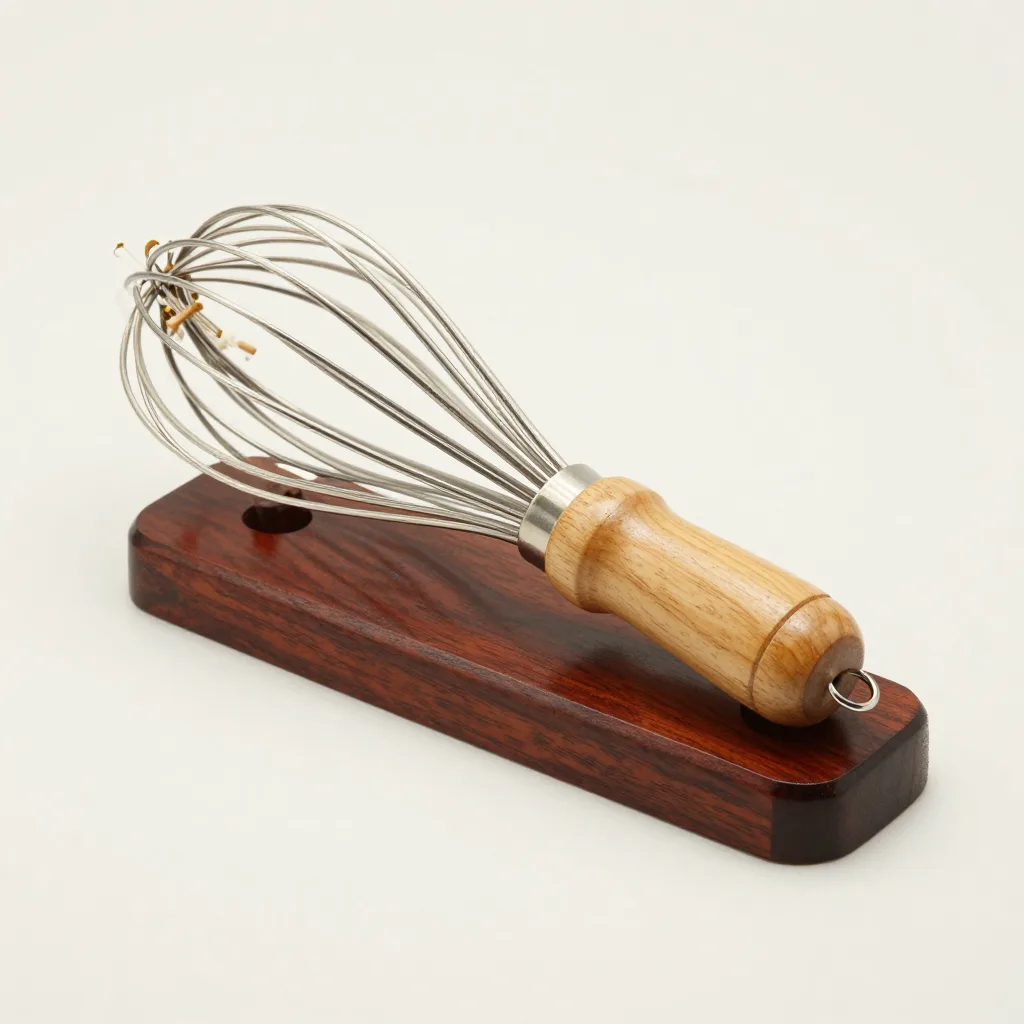
Rinse it under warm water and stand it on its rest to dry naturally. Never soak it or put it in a dishwasher — a dry whisk keeps its tines for years.

Join the list

Notes from Hōjō Whisk Co. — new pieces and the people who make them. No noise.